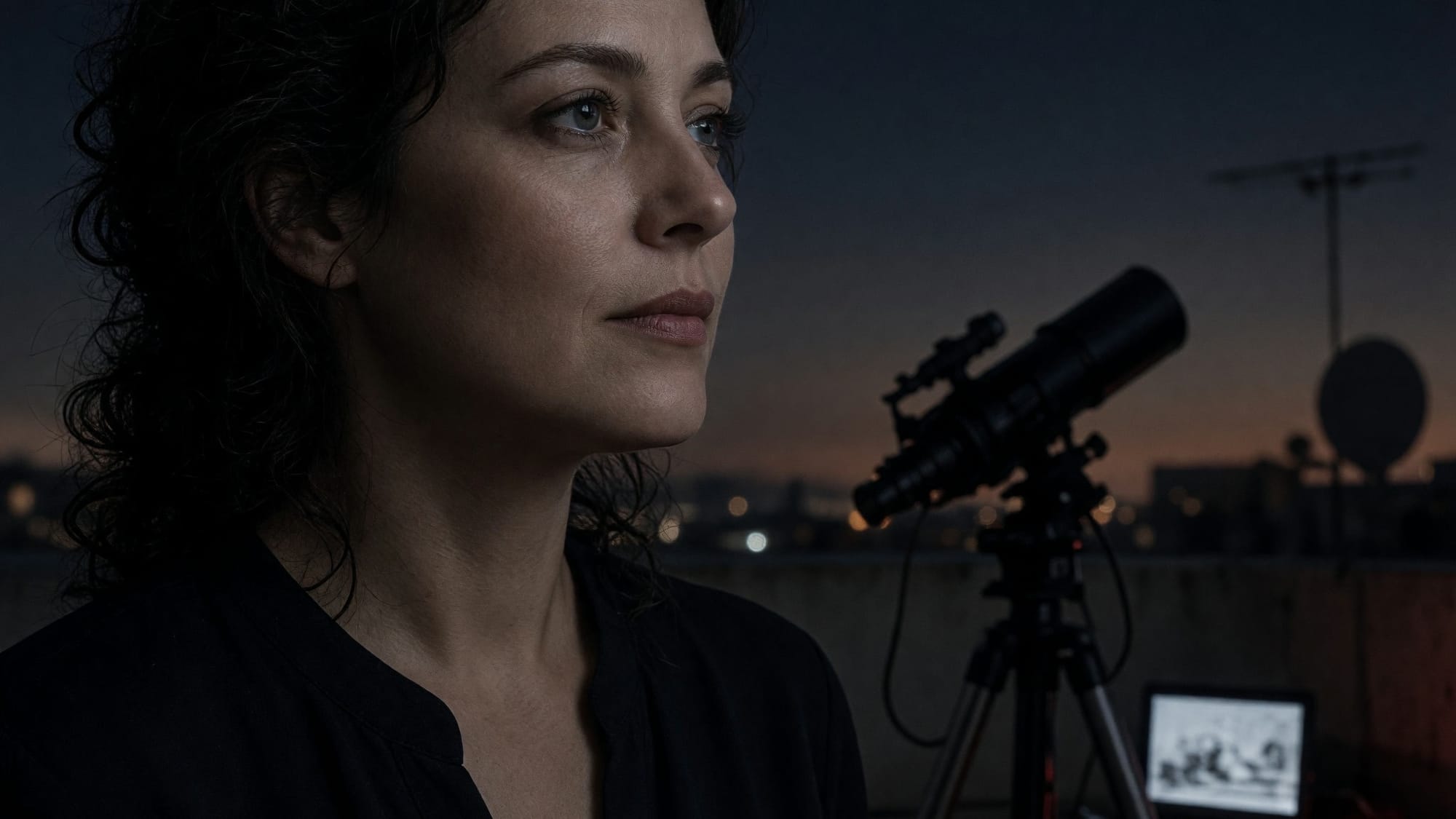
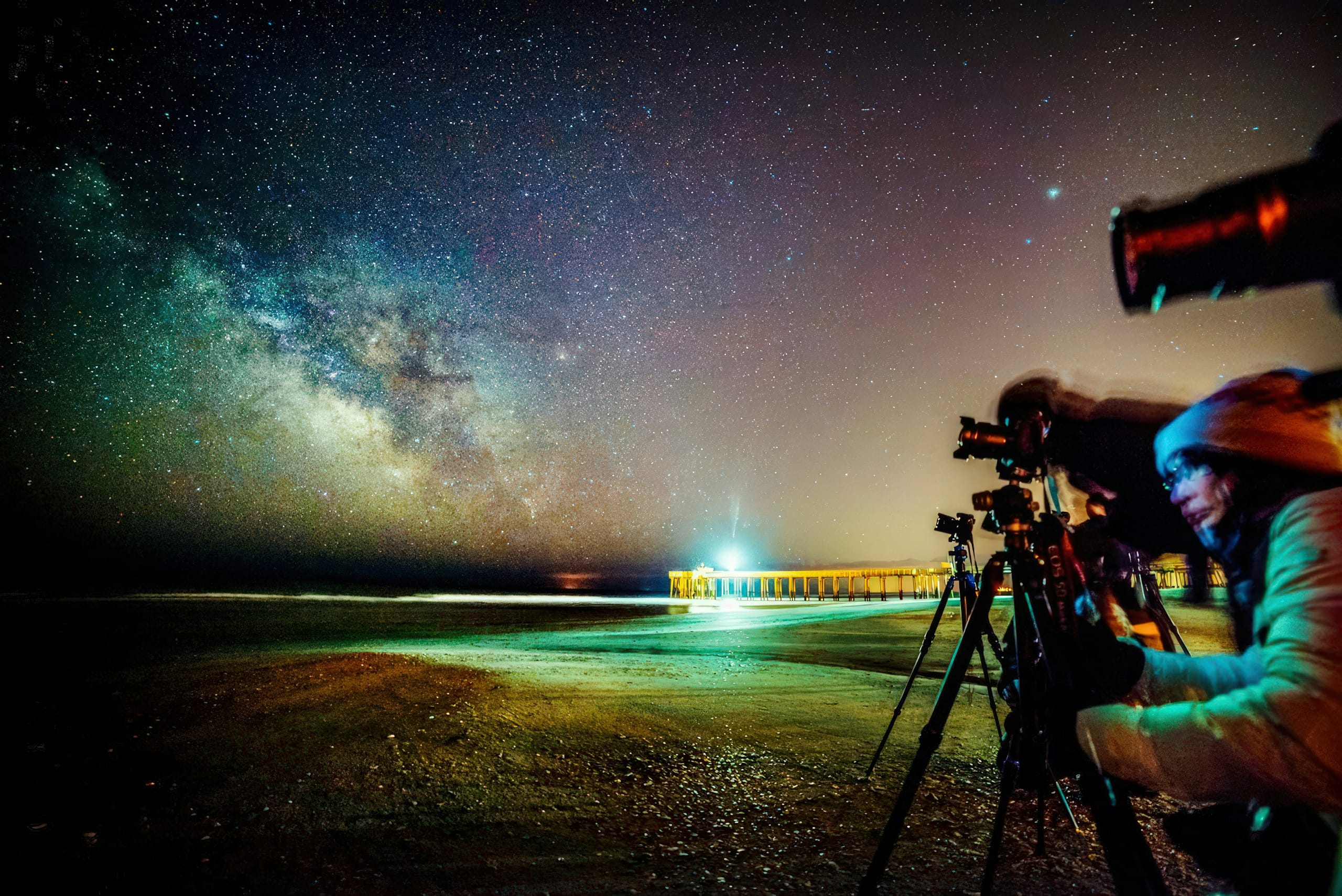
Same photo, different time and skill
Same sky, same location, same equipment. The difference is the acquired knowhow, now available in this course.
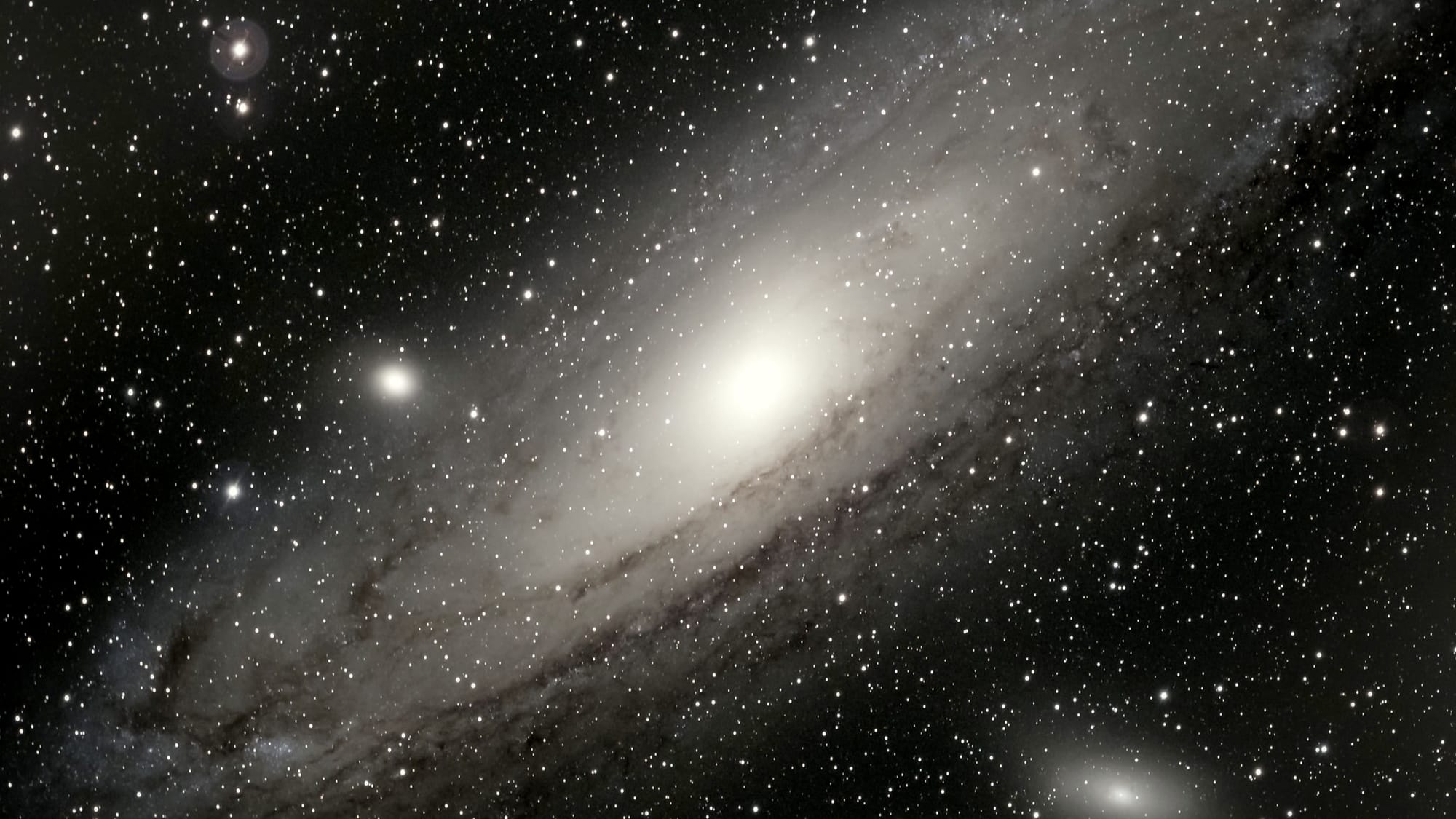
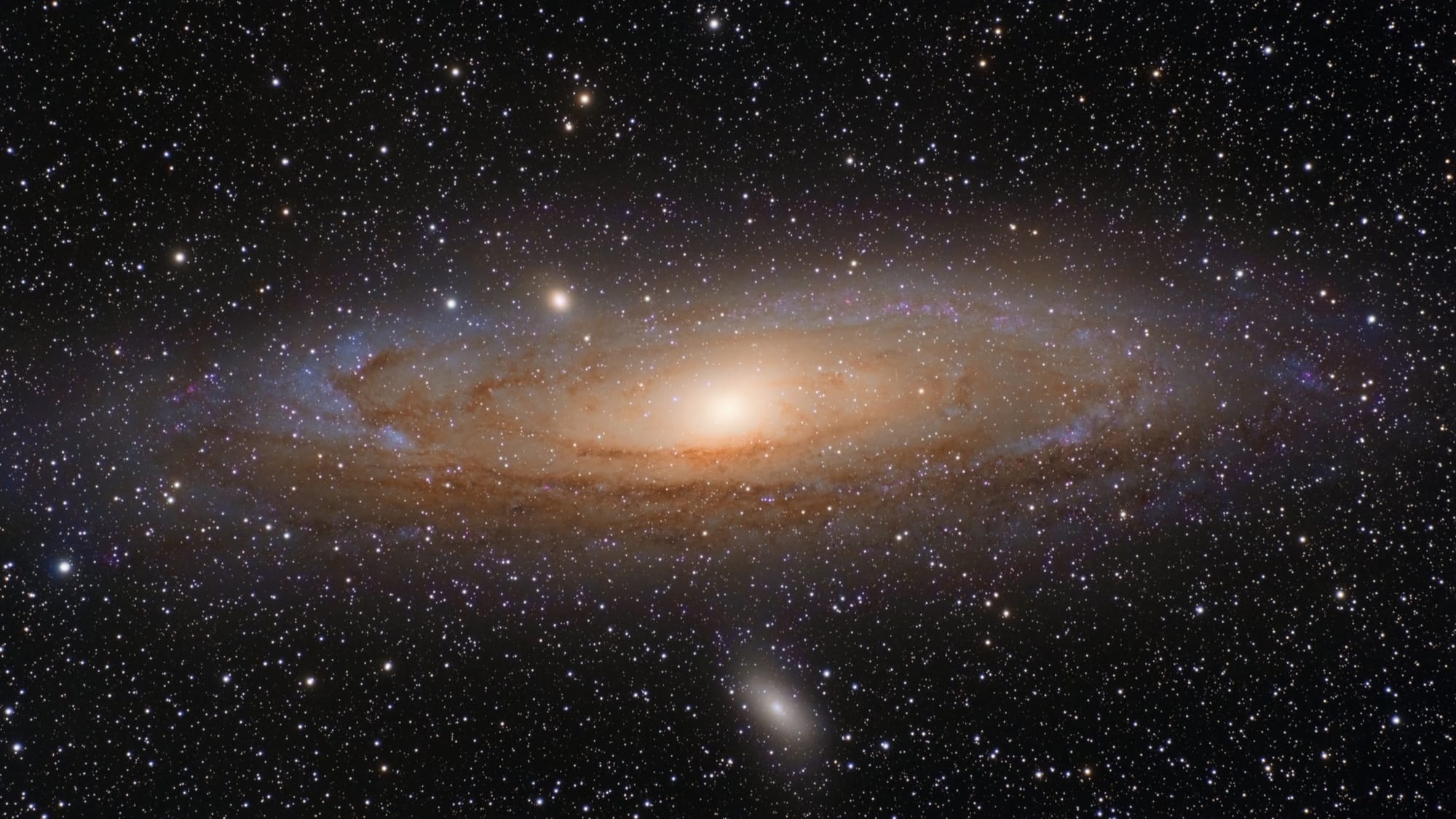
Every astro photography session involves the same five stages and the same nine rungs. What changes with your sky, your latitude and your target are the exposure length, the target choice and how much you throw away. This course teaches you to derive those numbers for your own situation instead of copying someone else's.
What people say
Join over 100 people who took their craft to the next level.
Nine modules, sixty-one episodes
Filmed and written, so you can watch at home and read in the field.
See every episode
What the first hour is for
Seven episodes. Three things have to be true before anything else is worth attempting, and none of them is pointing at the target. The hour that decides whether the other four produce anything.
Making the mount hold still
Eight episodes. Balance, polar alignment to a stated tolerance, backlash, cable drag, periodic error, and how to find your own maximum usable exposure by measurement rather than by forum consensus.
Focus, and knowing you have it
Six episodes. Why focus cannot be judged by eye on a small screen, the measurement that replaces judgement, and how often the temperature makes you check it again.
What each frame removes
Eight episodes. Darks, flats and bias: what each one records, what it therefore removes, the three things that must match, and the two ways a flat makes an image worse.
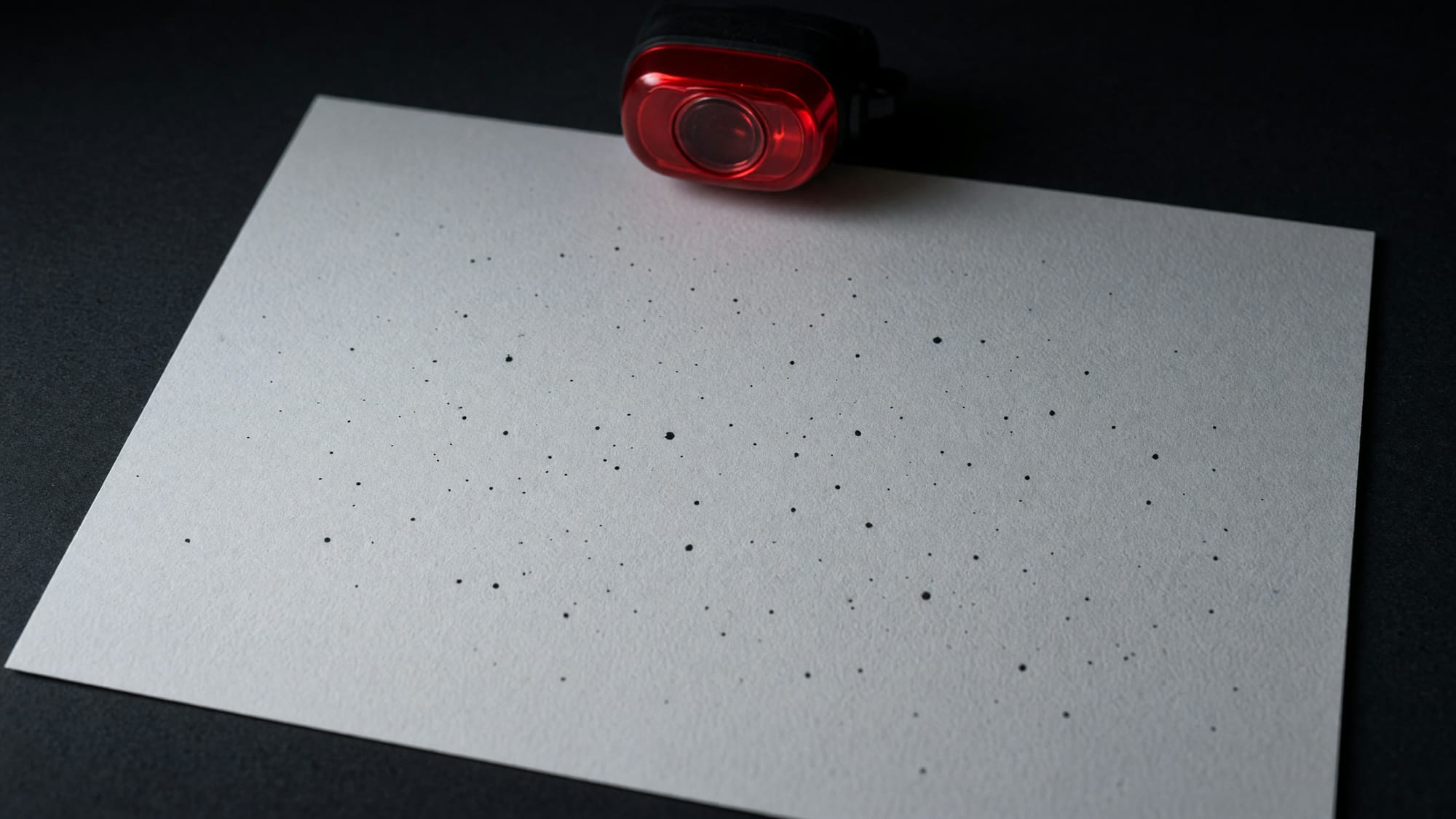
What your sky can give you
Five episodes. Surface brightness rather than magnitude, what a bright sky takes away first, honest narrowband from a city, and building a season plan you will actually follow.
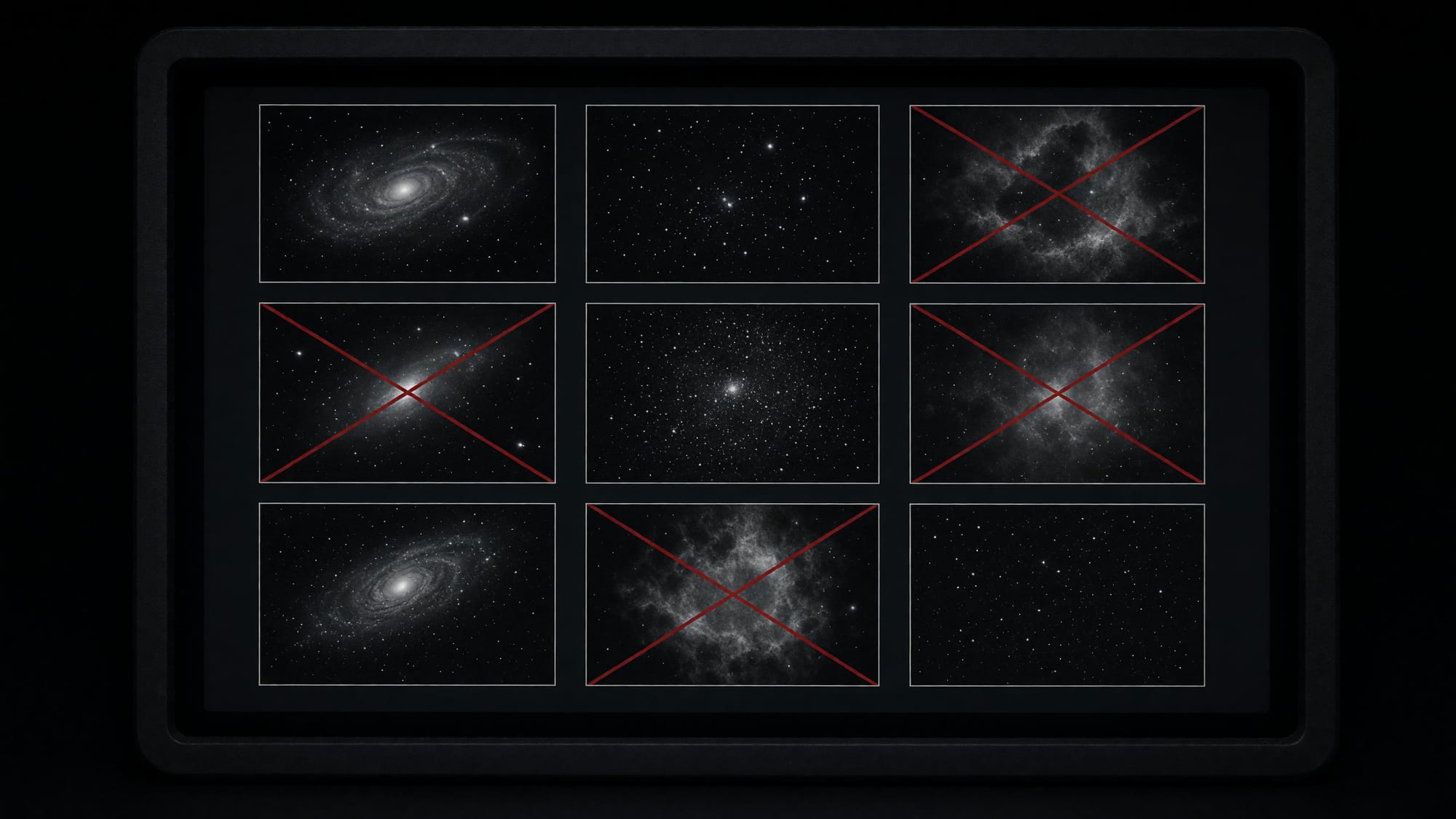
Deciding what to discard
Six episodes. The measurement that decides, taken before anything is combined. Satellites, aircraft, cloud you did not notice, and where the curve flattens.
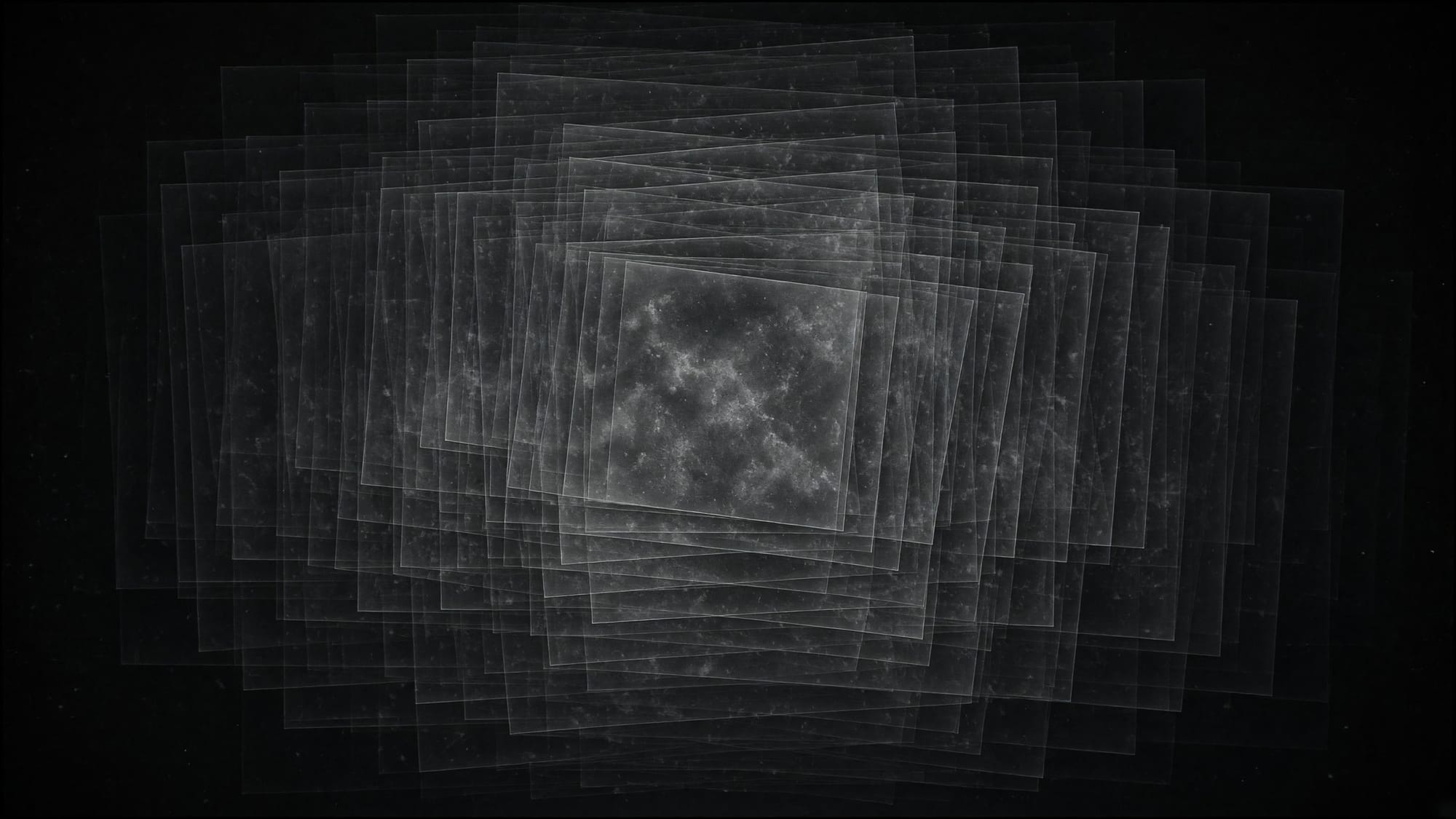
The settings that matter
Seven episodes. Registration, rejection algorithms in plain language, the three settings that change the result and the eleven that do not, and where colour actually comes from.
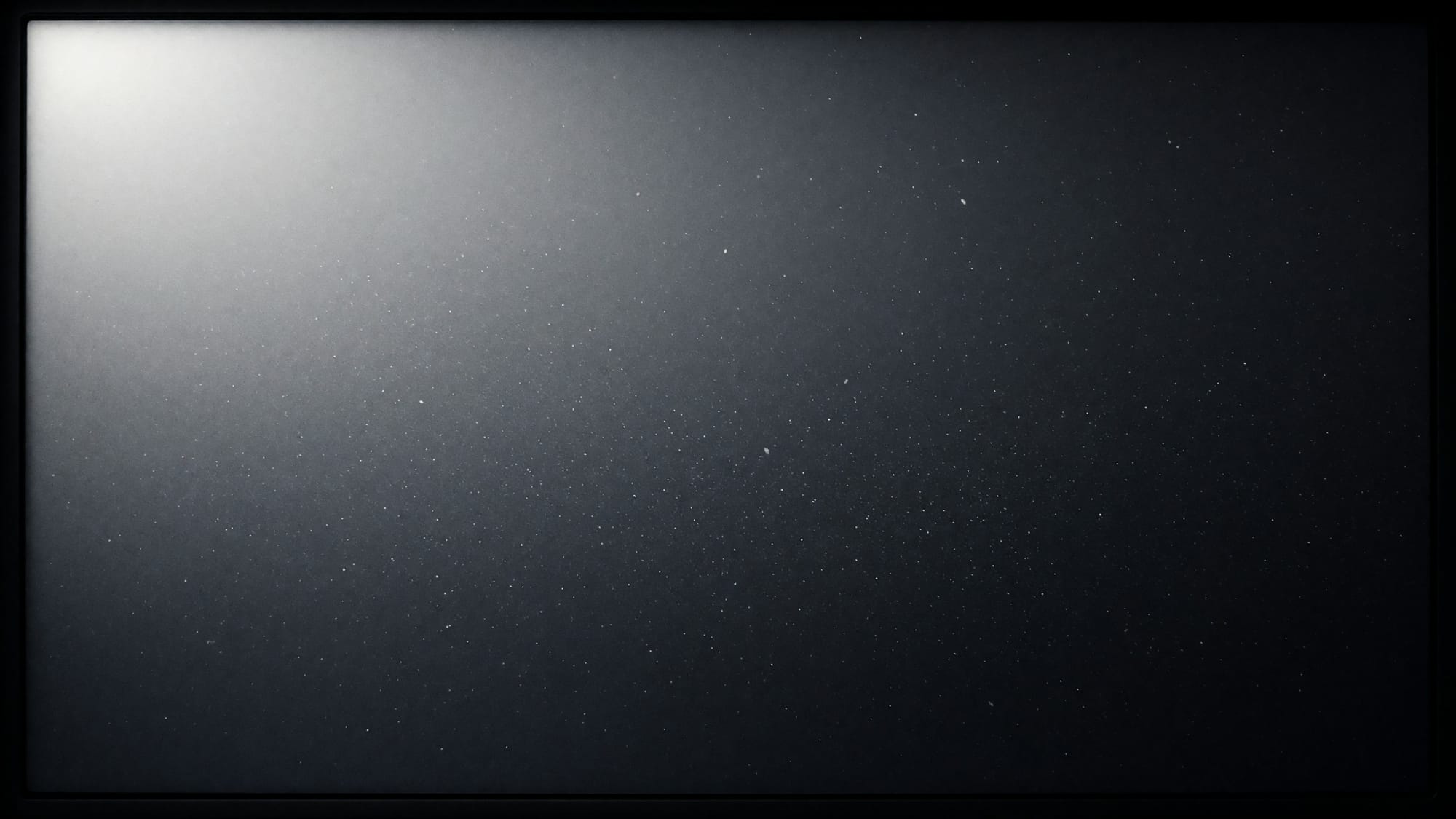
Getting the sky back out
Eight episodes. Where a gradient comes from and why yours is not symmetrical, measuring one instead of eyeballing it, over-correction that looks like success, and what to do when it cannot be removed.
Stretching without lying
Six episodes. Keeping star colour through a stretch, the point at which noise reduction starts inventing, sharpening and the same question again, and knowing when to stop.
A night, in six stages
The whole difficulty is that a failure at stage two looks exactly like a failure at stage six, which is why the order matters more than any single technique.
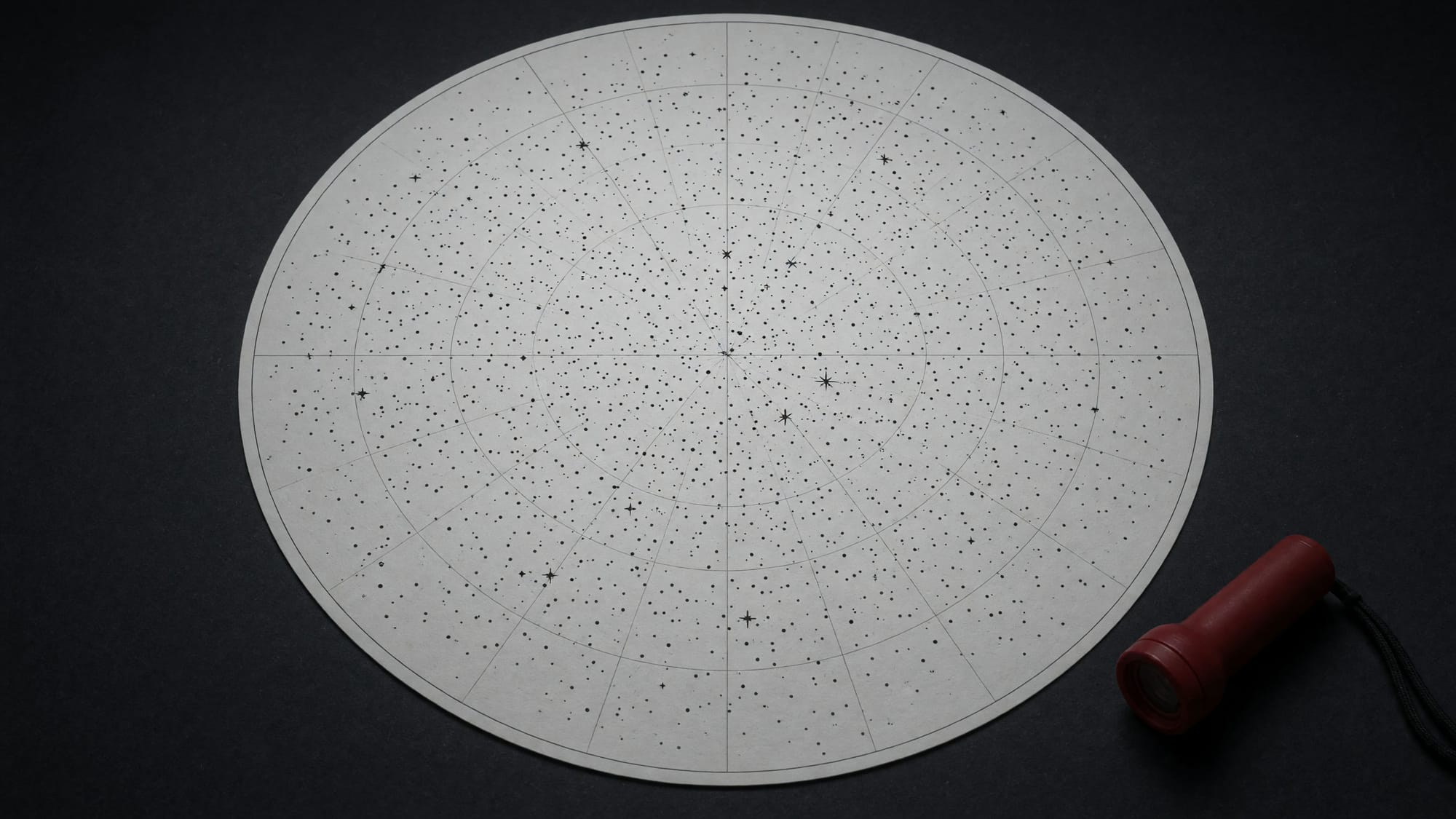
Plan
Which target your sky can actually give you tonight, and for how long it is high enough to be worth the frames. Surface brightness decides this, not catalogue magnitude.
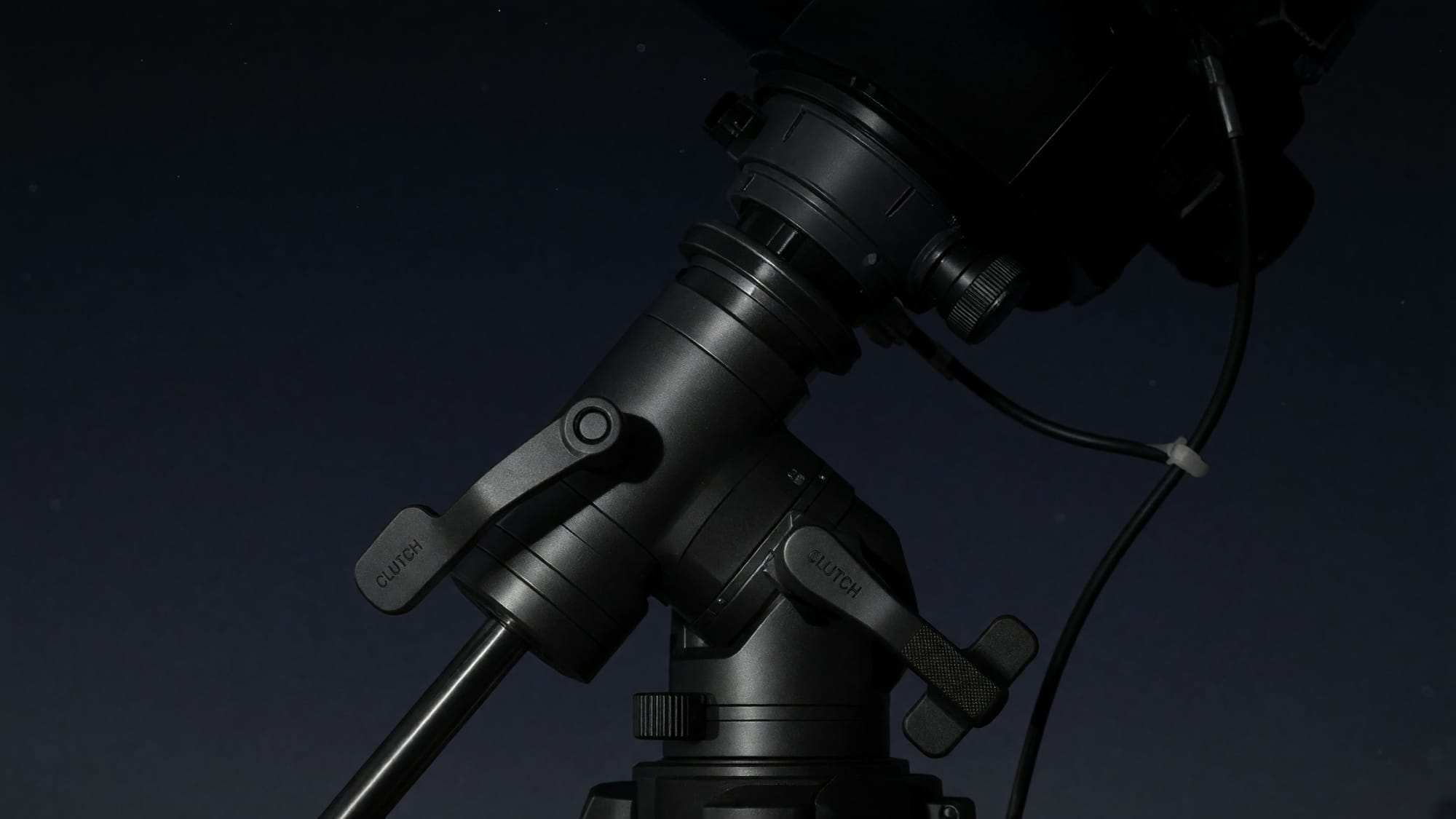
Track
The mount has to hold still, and nothing downstream can repair it if it does not. Balance, alignment and cable drag, in the order that costs least to check.
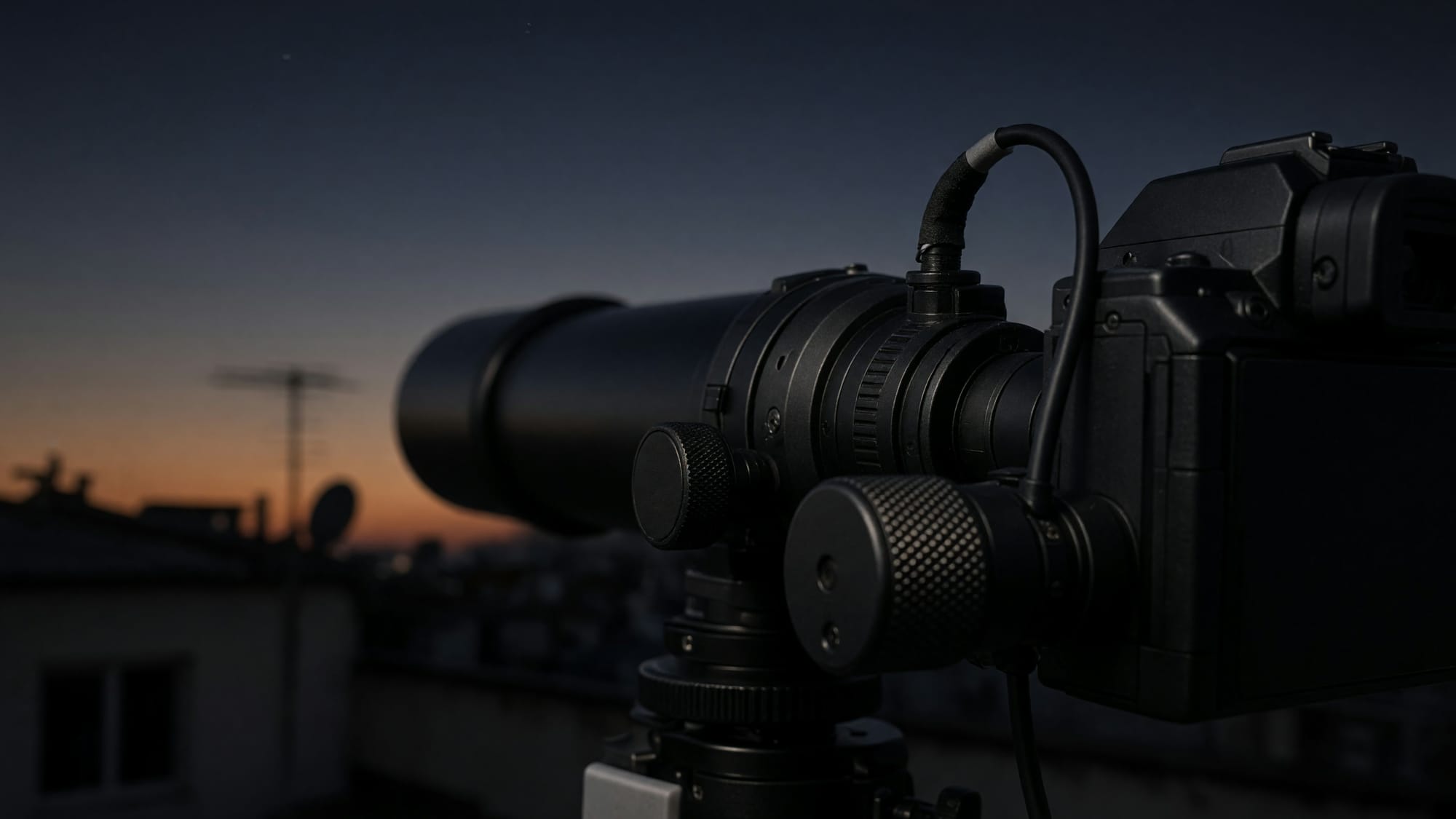
Focus
Not how to focus — how to know you still are, an hour later, after the temperature has moved. A number you write down rather than a judgement you make.
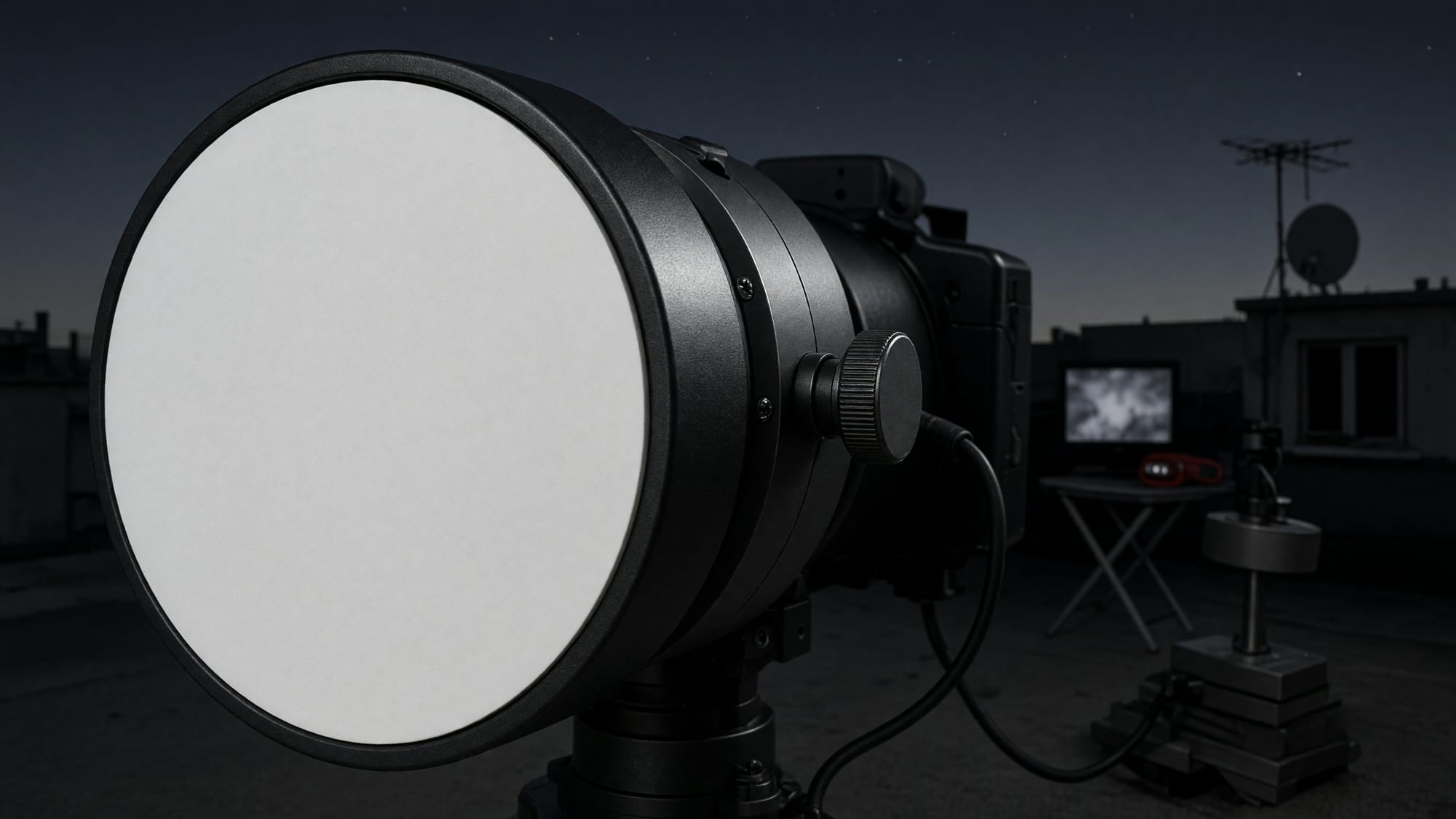
Calibrate
Four kinds of frame, three of which contain no sky at all. Each removes exactly one thing, and taking one of them wrongly makes the result worse than not taking it.
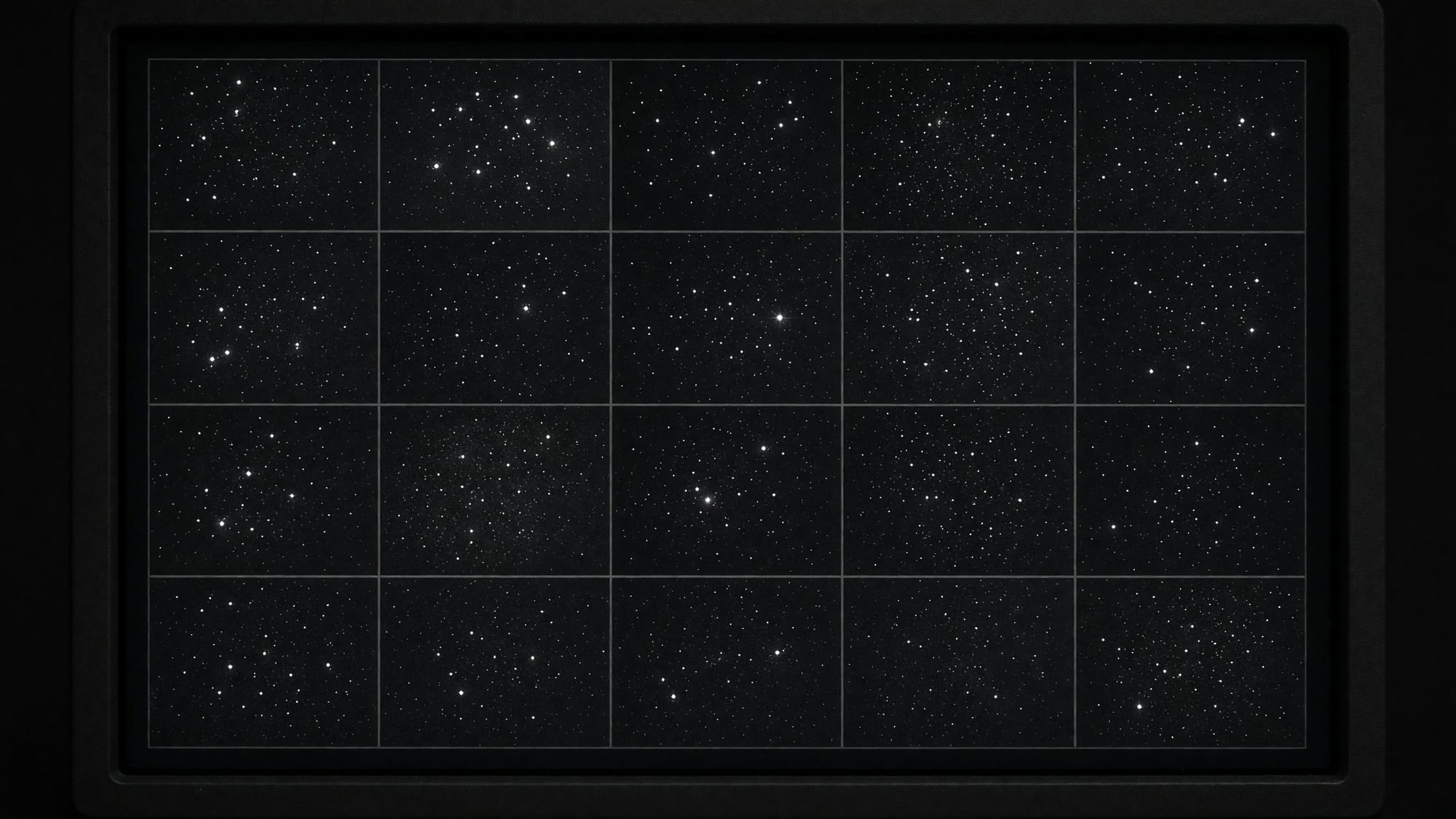
Stack
Two hundred frames are not two hundred votes. The measurement that decides what to throw away happens before anything is combined, and it is the one most people skip.
Stretch
The data is almost entirely dark and the interesting part sits a fraction of a percent above the floor. Pulling it up is a choice about what to exaggerate, and there is a defensible way to make it.
About author
Wren Pettifer spent nine years as a night assistant at a research observatory — the person who runs the instrument while the astronomer sleeps.
Read the whole story