
Forty-three nights, one galaxy
Night thirty-one. Clear, no moon, everything working, and at half past one I stood on a concrete balcony looking at a preview of a galaxy I had photographed thirty times and could not photograph once, and seriously considered selling all of it. I did not, and the reason was not resolve. It was that I had kept a log, and the log was about to tell me something.
I had been a night assistant at a research observatory for nine years. I want to be clear about how little that helped, because it is the most useful thing in this entire account.
The first fortnight was spent confidently fixing the wrong things. I knew — knew, from a decade of practice — that elongated stars mean the drive. So I spent nights three through eleven working on the drive: rebalancing, re-aligning, reading about periodic error, pricing a replacement mount at rather more than I could justify. Night twelve produced the same commas.
What I had not considered was that on a research instrument, the counterweight is not something you touch. The pier is bedrock, the load is fixed and someone else balanced it in 1998. I had nine years of experience with a system that had already removed the variable that was actually killing me. My expertise was not merely unhelpful; it was pointing directly away from the answer.
The log, abridged
I kept it out of professional habit — you log a night whether or not anything happens, because the value of a log is entirely in the nights when nothing did.
Nights 1–2. Nothing. Cloud after forty minutes both times. Two frames kept, neither usable.
Nights 3–11. The drive campaign. Nine nights, four hundred and sixty frames, all discarded. Rebalanced twice, re-aligned five times, read three forum threads that contradicted each other.
Night 12. Same commas. Wrote in the log: "it is not the drive." Took another eleven days to believe it.
Night 17. First night with round stars. Cause unknown at the time — I had, without noting it, redressed the power cable that afternoon so it did not snag at meridian. I did not connect the two for another fortnight, because I had not written down that I had touched the cable. Every subsequent entry in that log records what I changed, including the things that could not possibly matter.
Night 19. Clear, round stars, and a gradient across the stack like a thumb smudge. Spent nights 20 through 23 taking progressively better flat frames to remove it. The flats were excellent. The gradient was skyglow, which a flat frame does not touch. Four nights spent perfecting the correction for a problem I did not have while ignoring the one I did.
Night 24. Rain.
Nights 25–28. Cloud, cloud, cloud, and one clear hour spent on something I should have done in week one: three frames at three different exposure lengths, to find out what my alignment actually supported. The answer was ninety seconds. I had been shooting four minutes for a month.
Night 29. Four hundred and ten frames at ninety seconds. Threw away all of them.
Night twenty-nine produced four hundred and ten frames and I kept none of them, which took eleven minutes to decide and three weeks to understand.
Nights 30–36. The useful stretch, and the boring one. Went back to the bottom and checked everything in order, on a night I already knew was not going to produce a photograph. Found two things wrong that I had never suspected, both of which had been wrong since night one.
Nights 37–43. Frames that were individually fine and collectively did not improve. This is the part that nearly stopped me, and the answer turned out to be in what I was throwing away rather than in what I was keeping.
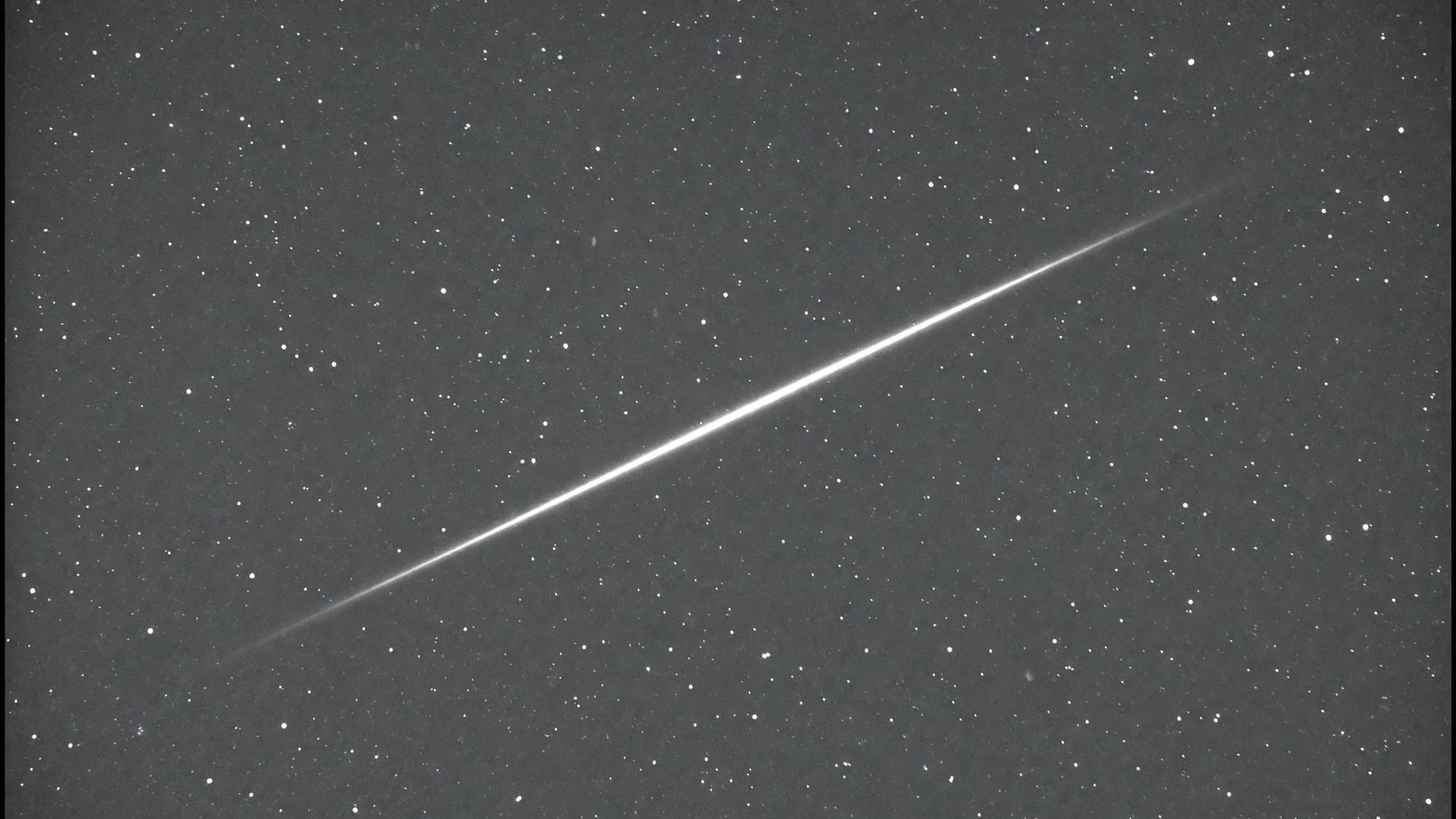
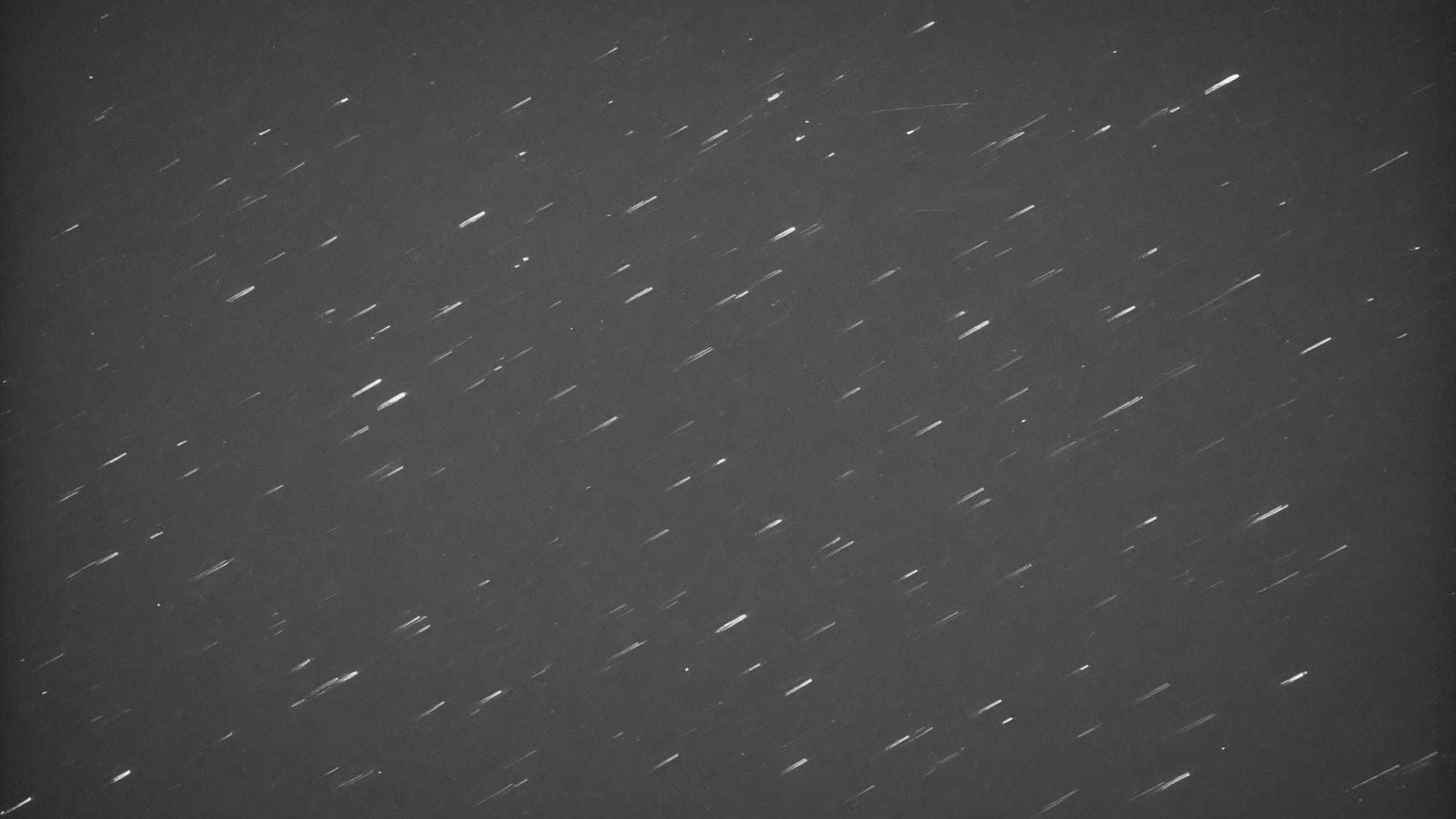
Three of them, kept deliberately. They are worked examples in module 2 now, unedited, at the size they failed at.
Night forty-four
I bought nothing between night forty-three and night forty-four. Nothing was repaired, nothing was replaced, and the sky was the same sky — I checked the log, and thirty-one and forty-four have almost identical entries for conditions.
What changed was that I stopped beginning with the thing I most wanted to fix.
Every session up to forty-three had started at the top of the problem: the image is bad, so let me work on the image. Forty-four started at the bottom, with the least glamorous thing that could be broken, and checked upward in a fixed order whether or not I believed each step was the issue. Mount. Focus. Calibration. Target. Then, and only then, the frames.
It took forty minutes and found the problem two rungs below where I had been looking for six weeks.
The sky was the same on night forty-four. Everything else was in a different order.
The galaxy, since people ask, is an ordinary one. It is the sort of thing people photograph in their first season and it is not remotely difficult. That is exactly why the six weeks are worth writing down: the difficulty was never the object, and it was never the sky. It was that I had no order, and I had no order because I had spent nine years somewhere that did not need one.